
Assessing the Impact of Wellbeing Initiatives in the Workplace
Wellbeing initiatives in the workplace are becoming increasingly prevalent as organisations recognise the importance of fostering the health and happiness of their employees. However, it is imperative to gauge the effectiveness of these initiatives to ensure that they are delivering the intended benefits. Below are several formal methods to measure the impact of wellbeing programs in a professional setting.
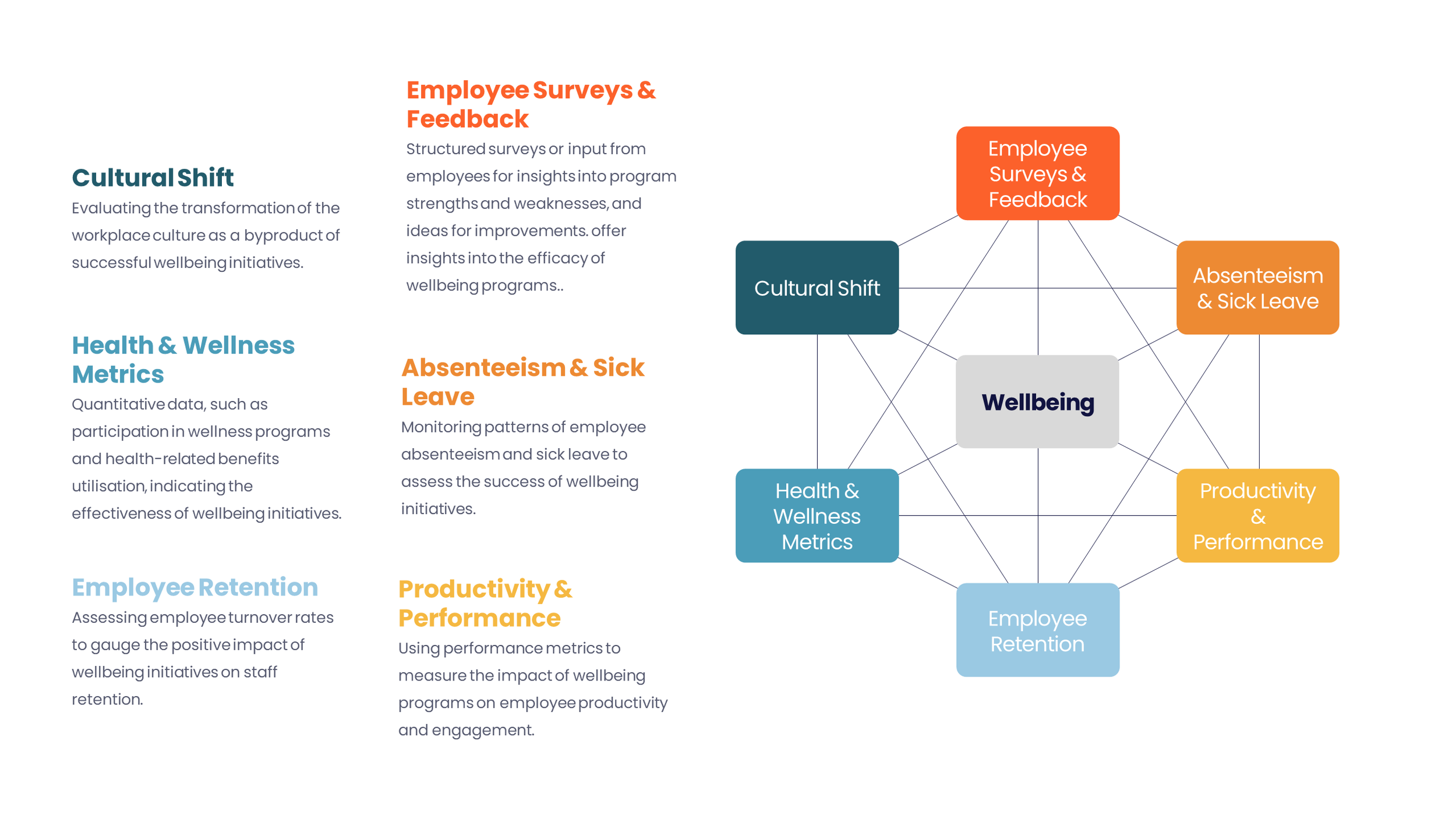
In conclusion, the assessment of wellbeing initiatives is an ongoing process that requires a systematic and formal approach. Regularly monitoring the aforementioned metrics and being receptive to employee feedback will help organisations ensure that their efforts are contributing to the health, satisfaction, and overall effectiveness of their workforce. A commitment to employee wellbeing is not only a responsible practice but also an investment in the long-term success of the organisation.