

Mental and Emotional Wellbeing
Navigating the Challenges of Modern General Practice
Nurturing Your Mental Wellbeing - Strategies for a Balanced Life
In our fast-paced and demanding world, taking care of our mental wellbeing has never been more crucial. Just as we prioritise our physical health, paying attention to our mental and emotional health is essential for leading a fulfilling and balanced life.
Prioritising your mental wellbeing is an ongoing journey that requires dedication and self-awareness. By implementing these strategies into your daily life, you can cultivate a resilient and positive mindset, navigate challenges with grace, and lead a more fulfilling and balanced life. Remember that seeking support and practicing self-compassion are integral parts of this journey.
-
Engaging in mindfulness and meditation practices can significantly improve your mental wellbeing. These techniques encourage you to focus on the present moment, reduce stress, and enhance self-awareness. Start by dedicating a few minutes each day to quiet reflection or meditation to experience its positive effects.
-
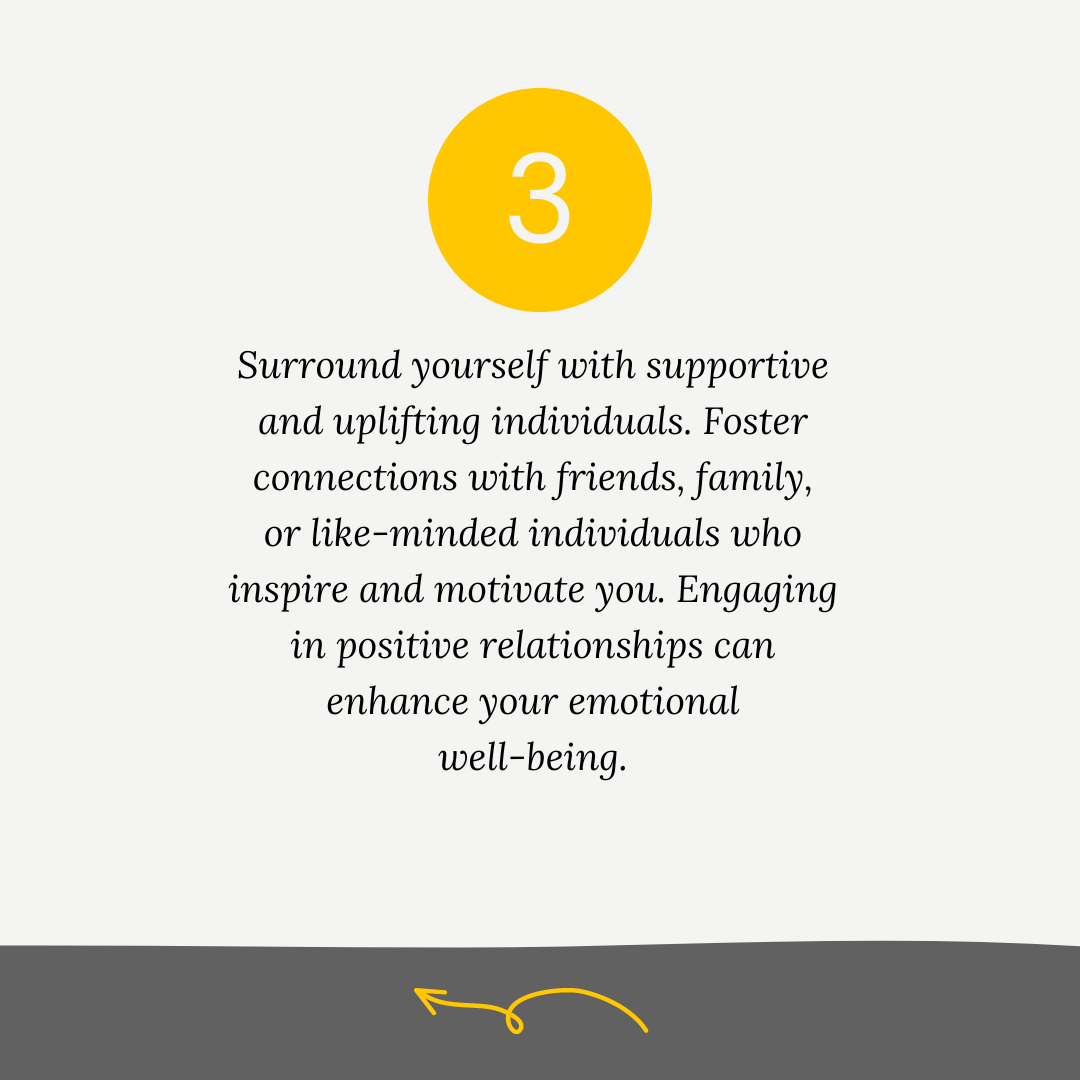
Strong social connections play a vital role in mental wellbeing. Cultivate relationships with friends, family, and colleagues that provide support, encouragement, and a sense of belonging. Healthy interactions can boost your mood and provide an outlet for sharing your thoughts and feelings.
-
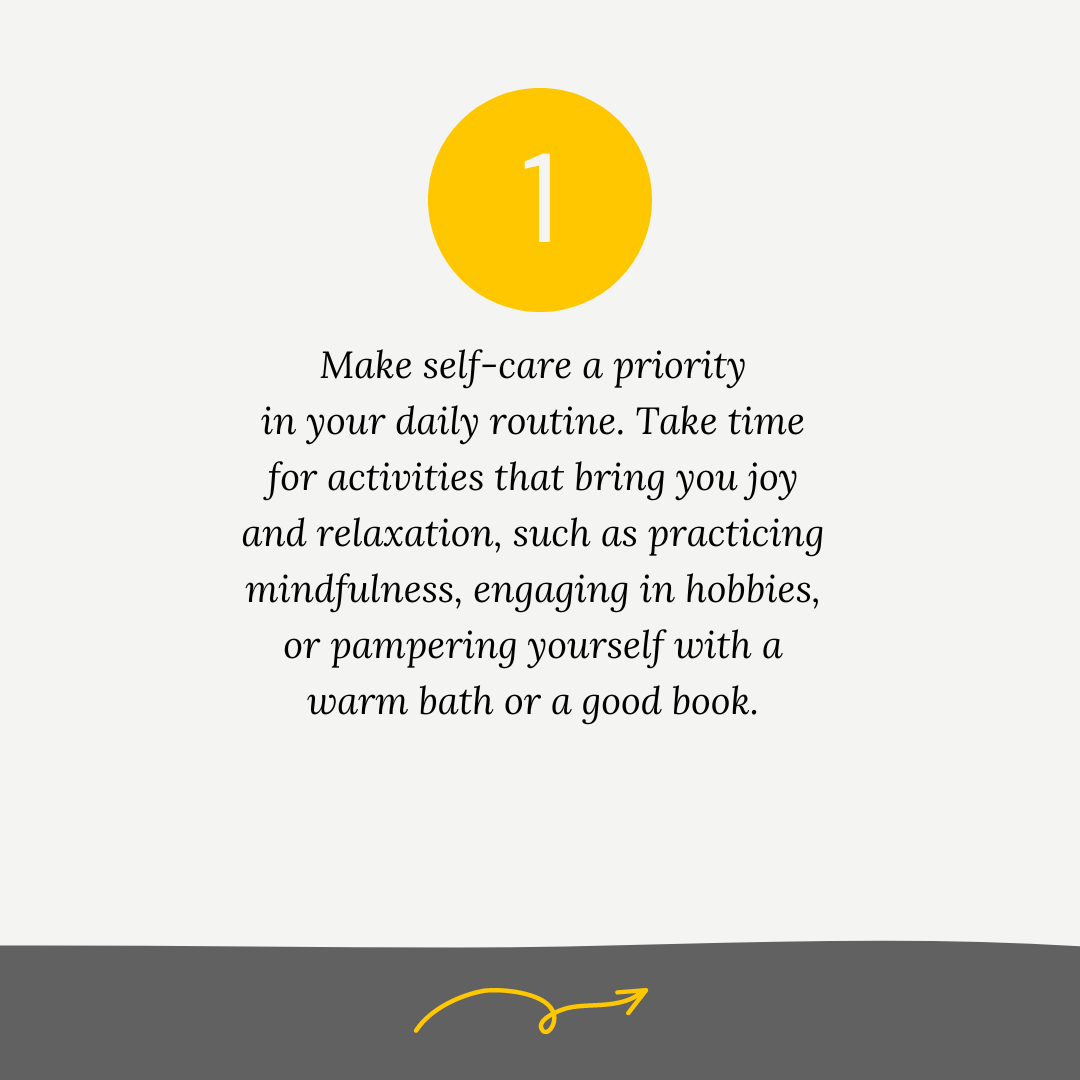
Self-care involves dedicating time to activities that bring you joy and relaxation. Whether it's reading a book, taking a soothing bath, or enjoying a hobby, making self-care a regular part of your routine can help reduce stress and enhance your overall mental state.
-
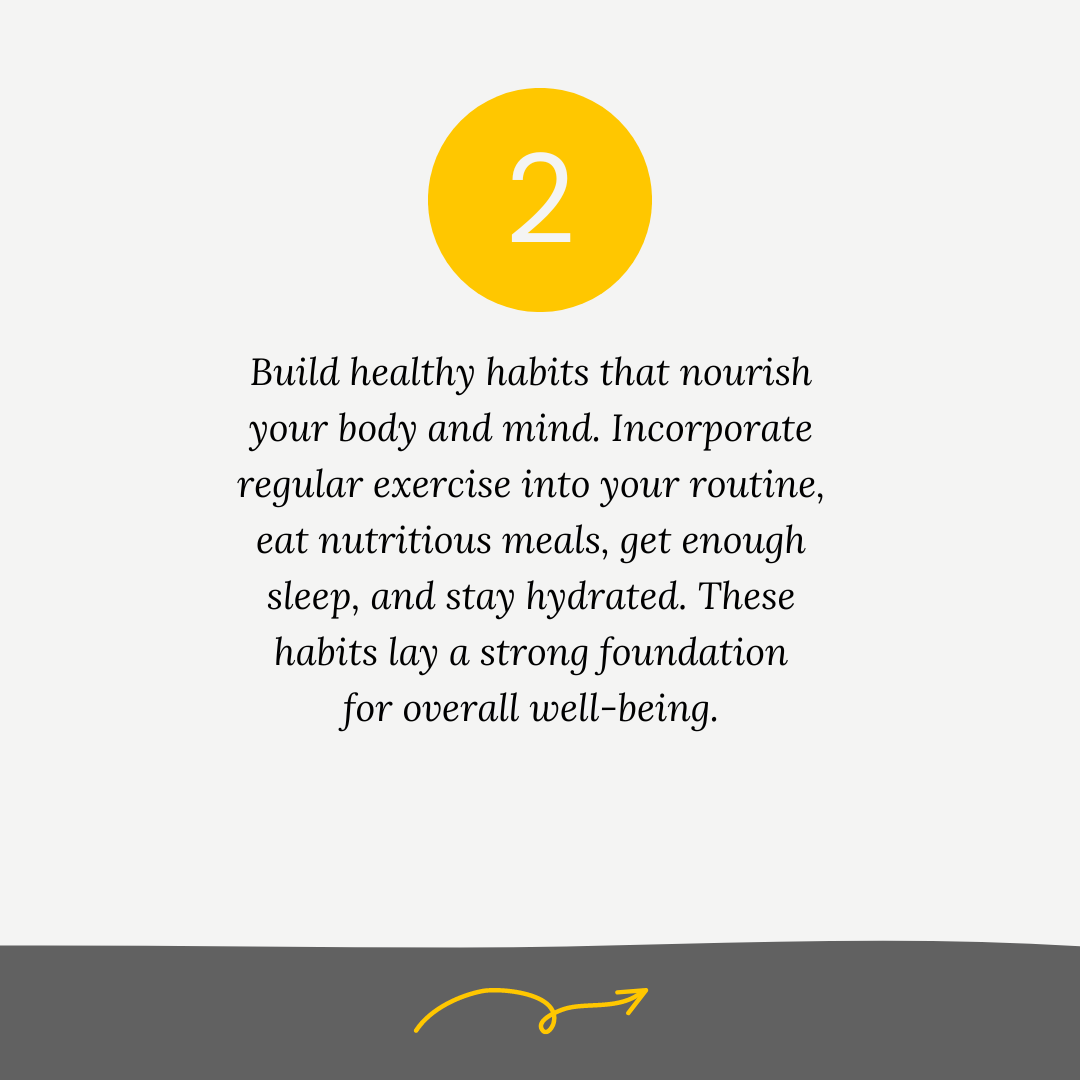
Regular physical activity is not only beneficial for your body but also for your mind. Exercise releases endorphins, which are natural mood lifters. Engage in activities you enjoy, whether it's walking, dancing, or practicing yoga, to promote a positive mental outlook.
-
Setting achievable goals can boost your self-esteem and motivation. Break down larger objectives into smaller, manageable steps, and celebrate your progress along the way. This approach can prevent feelings of overwhelm and promote a sense of accomplishment.
-
While technology offers many benefits, excessive screen time, especially on social media, can negatively impact mental wellbeing. Set boundaries on your digital consumption to reduce feelings of comparison and increase real-world engagement.
-
If you're struggling with your mental wellbeing, seeking help from a mental health professional is a sign of strength, not weakness. Therapists and counselors can provide tools and strategies to navigate challenges and improve your mental health.
-
Focusing on the positive aspects of your life can foster a sense of gratitude. Regularly reflect on the things you're thankful for, whether they're big achievements or small daily pleasures. This practice can shift your perspective and promote a more positive mindset.
-
A balanced diet and sufficient sleep play a crucial role in mental wellbeing. Nutrient-rich foods and adequate rest contribute to improved cognitive function and emotional resilience.
-
Participating in activities that align with your values and passions can bring a sense of purpose and fulfillment. Whether it's volunteering, pursuing a hobby, or engaging in creative endeavors, these activities contribute to your overall happiness.

Check my Emotional and Mental wellbeing
A NHS self-assessment for Health and Social care staff with a direct link to mental health support resources
It is estimated that the questionnaire take about 10-15 minutes to complete and based on your answers, offers support and advice for health and social care staff.
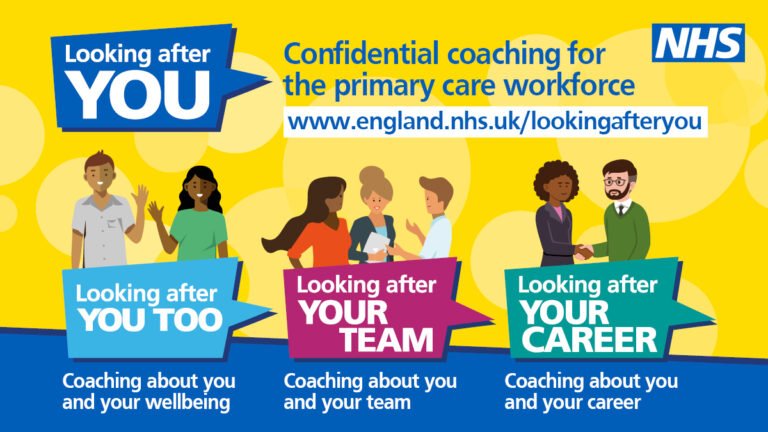
Looking after YOU: Free confidential coaching and support for the primary care workforce
Looking After You coaching provides confidential wellbeing support and is available to everyone working in NHS primary care.
Individual and group coaching is available with a skilled and experienced coach who will work with you to discuss any area of your wellbeing that you would like to address. They will listen, ask questions and support you to develop practical strategies to cope with your situation and stay well.
This is an opportunity to prioritise and look after yourself whilst you continue to look after others.
Every Mind Matters: Your Mind Plan
A resource created in 2019 by Public Health England.
Your Mind Plan is the free online tool that’s part of Every Mind Matters, the new platform to support good mental health. It asks you five simple questions and the user will then receive a personalised action plan, with simple ideas and tips you can try, all based on recommendations from mental health experts.



BMA Wellbeing & Support Services
Counselling and peer support services
Free and confidential 24/7 counselling line and peer support service open to all doctors and medical students on 0330 123 1245. There is always someone you can talk to.
You do not have to be a member of the BMA to access this service.
Risk of burnout questionnaire
If you are worried you might be burning out; you can take the BMA confidential questionnaire to help you screen yourself for symptoms of burnout.

This is a free, confidential NHS primary care mental health and addiction service with expertise in treating health & care professionals.
The service functions as a self-referral service, with the potential to accept referrals from external organisations under specific circumstances. The emphasis on self-referral is pivotal, as it demonstrates the individual's recognition of their own needs, their trust in the service, and their willingness to engage in therapeutic processes.
They offer comprehensive assessments and treatments for a wide array of mental health and addiction issues are available.

DocHealth is a joint initiative between the Royal Medical Benevolent Fund (RMBF) and the British Medical Association (BMA)
DocHealth offer a confidential psychotherapeutic consultation service for all practising doctors. Fees are based on a sliding scale relating to your grade and circumstances.
Mental Wellbeing Videos
What is depression?
Dr Kishan Bodalia (@Bodalia) explains the symptoms to look out for and what treatments could help you.
What causes depression?
Dr Bodalie explains more about this mental health condition and what you can do if you are experiencing signs of depression.
Treatment for depression & anxiety
You can access talking therapies for free on the NHS and refer yourself directly to an NHS Talking Therapies service without a referral from a GP.
Stress | NHS
An expert explains what stress is, the physical and mental effects of being stressed, when it becomes a problem and when to seek help.
Anxiety | NHS
Consultant psychiatrist Lynne Drummond explains the symptoms of anxiety, why it becomes a problem for some people, and the psychological and drug treatments for it.
Mental health and nature | NHS
EDITOR’S CHOICE
You Don't Find Happiness, You Create It
By Katarina Blom | TEDx Talks
In a world where we are constantly in pursuit of happiness, it is crucial to understand that happiness is not something we find, but something we create. Katarina Blom, a renowned happiness expert, delivers an empowering TEDx Talk that challenges the conventional notion of happiness and provides valuable insights into how we can take charge of our own well-being.
Lengthen: Learned Optimism
By Martin Seligman
Martin Seligman's theory of learned optimism challenges the conventional belief that happiness solely relies on external circumstances. To Seligman, optimism is not just a trait that some lucky individuals are born with, but it is a skill that can be learned and mastered. He argues that by changing our explanatory style or the way we interpret and explain the events in our lives, we can transform our mindset.
Lengthen: How I Became an Optimist
By Simon Sinek
I never used to consider myself an optimist. For the majority of my life, I leaned towards a more skeptical and cautious mindset. However, as the years passed and life presented its challenges, I found myself evolving into a firm believer in the power of optimism.
The catalyst for this transformation was a personal crisis that shook me to my core.
Useful Apps
You can download some cool apps for FREE to help with your mental health. Check out the links below for more info on how to get the support and free offers.
Take care of yourselves!








Useful Websites
We have carefully curated a comprehensive list of prominent National charities committed to fostering mental health, physical wellness, and overall wellbeing.
From mental health advocacy to physical wellness initiatives, each charity has been selected for its impactful support. Explore the wealth of resources, support networks, and valuable information offered by these national charities.